Tabletop & Queue Pacing
A four-day convention fails on day two when visitors treat it like a sprint. Whether your calendar centers on Gen Con in Indianapolis, UK Games Expo in Birmingham, or digital showcases in Cologne and Tokyo, structuring each day around queue budgets, seating breaks, and realistic bag weight keeps you sharp through the final afternoon.
Gen Con Indianapolis and UK Games Expo Birmingham
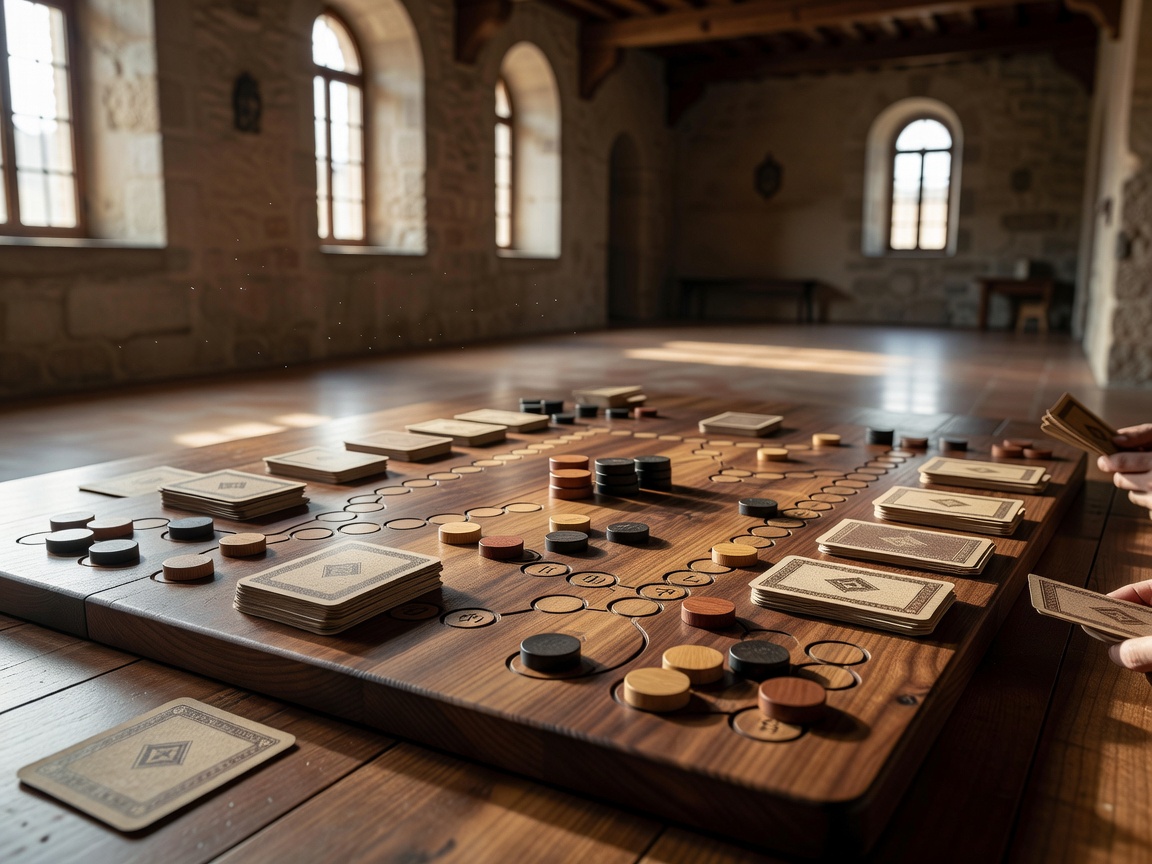
Gen Con at the Indiana Convention Center and Lucas Oil Stadium operates on event-ticketed time blocks rather than open standing queues. While the Exhibit Hall behaves like a dense marketplace filled with publishers, dice makers, and prototype demos, thousands of attendees spend their days inside surrounding hotel ballrooms, stadium floor sections, and side halls running pre-scheduled two- to four-hour RPG sessions and board-game tournaments.
Skybridges in downtown Indianapolis link the convention center directly to major surrounding hotels, meaning you can move between breakfast, a morning Exhibit Hall sweep, and an afternoon stadium gaming table without stepping outside during August heat. However, buying physical board games early in the day creates immediate haul weight: leaving bulky box purchases until late afternoon or using on-site shipping and coat-check desks prevents shoulder strain.
Across the Atlantic, UK Games Expo at the National Exhibition Centre (NEC) in Birmingham places three to four massive interconnected halls right beside Birmingham International rail station and Birmingham Airport. Open gaming tables run late into the evening inside adjacent hotel suites, while daytime halls prioritize publisher demo tables where staff actively wave down passing groups to teach a 20-minute round on the spot.
The 2-1-3 Queue Budget for Multi-Day Shows
Instead of writing a list of fifteen high-profile titles and growing frustrated when two queues consume the entire morning, convention regulars allocate each day using a simple 2-1-3 ceiling:
Two Anchor Queues: Pick at most two high-demand publisher booths or signature demo rooms per day. Assume each anchor consumes 60 to 110 minutes between waiting and playing. Schedule the first immediately at door opening or during lunch turnover around 12:30 when crowds thin slightly.
One Seated Panel or Long Tabletop Session: Lock in a guaranteed 60-minute seated block mid-afternoon—either a developer panel, an AFK quiet-room break, or an open-library board game. Concrete floors punish stationary heels far more than steady walking; one real chair break restores afternoon stamina.
Three Rapid Indie or Open-Floor Hits: Spend the remaining hours in indie alleys, hardware test benches, or tabletop demo islands where turnover runs 5 to 20 minutes per stop. You leave the day having genuinely played five or six varied titles rather than staring at the back of someone else's backpack.
Why Midday "Line Full" Signs Help You
When a staff member holds up a queue-capped sign, treat it as an automatic cue to pivot—not an invitation to hover beside the tape for 40 minutes waiting for it to reopen. Walk two aisles over to a smaller publisher booth or step outside for water; hovering in place produces zero playtime and blocks fire lanes.
Managing Acoustic Fatigue and Concrete-Floor Mileage
Large digital convention centers combine reflective poured-concrete floors, steel truss ceilings, and competing stage PA stacks. Even without noticing ear ringing right away, six hours in 80-to-90 dB ambient roar leaves visitors irritable, dehydrated, and exhausted by late afternoon.
Acoustic-attenuating earplugs—filtering roughly 15 to 20 dB evenly across frequencies rather than muffling speech completely—let you talk normally with indie developers across a monitor while cutting exhausting low-end bass rumble from nearby main stages. Pair them with deliberate 15-minute retreats to courtyard plazas, upper-floor skybridges, or tabletop lounges every three hours.
Footwear matters more than any gadget in your pocket. Unbroken new sneakers cause blisters by noon on Day 1. Wear already broken-in walking shoes with firm arch support and cushioned midsoles, pair them with moisture-wicking wool or synthetic socks rather than thin cotton, and pack two adhesive blister patches in a pocket pouch before stepping off the train.
Minimal Floor Pack Checklist
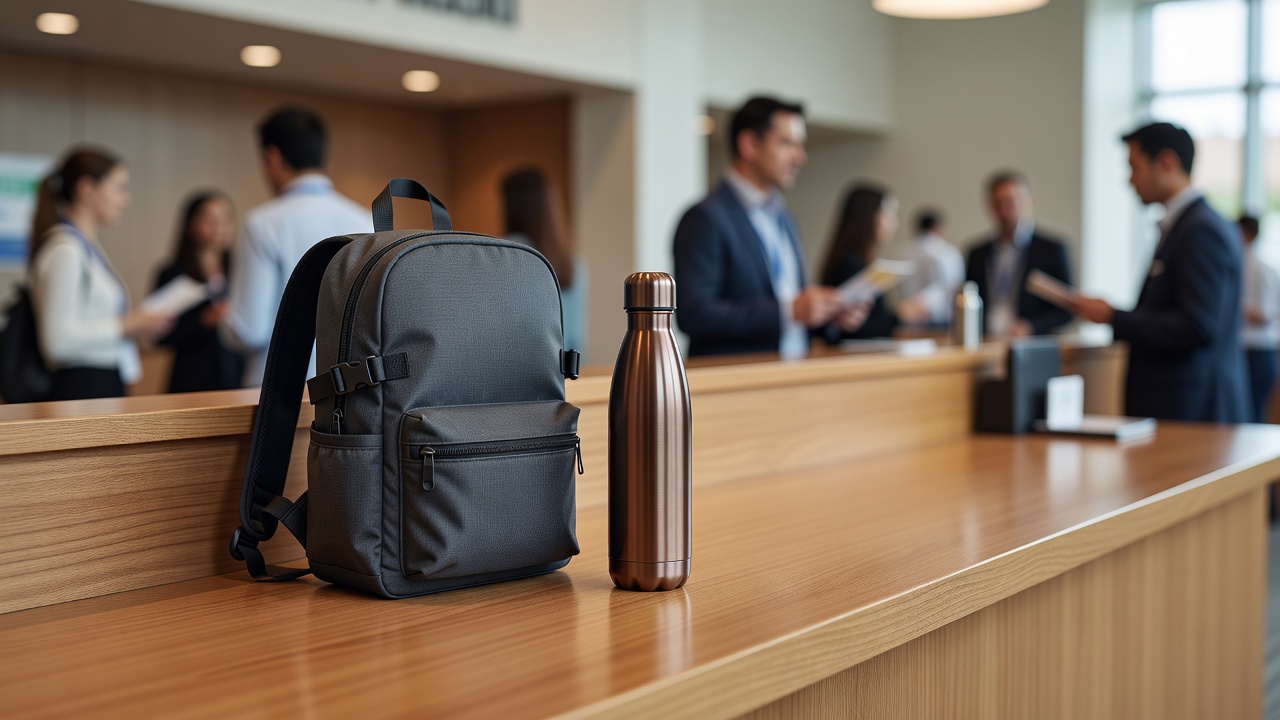
| Item Category | Recommended Choice | Why It Matters on the Floor |
|---|---|---|
| Daypack size | Soft 10–15L pack, no rigid frame | Clears strict bag-size gates and prevents bumping neighbors in tight indie aisles |
| Hydration | Empty 600–750 ml plastic or light bottle | Passes security liquid restrictions; fills cleanly at convention hall drinking stations |
| Hearing protection | 15–20 dB filtered concert earplugs | Cuts stage bass fatigue while keeping developer conversations clear |
| Power & notes | 10,000 mAh bank, short cable, pocket notebook | Keeps digital passes alive through 12-hour days; quick paper notes save phone battery |
| Box haul bag | Foldable ripstop tote tucked inside pocket | Expands only for late-afternoon merch or board-game purchases before heading to the train |
Ready to match these pacing habits with your destination? Revisit Gamescom & European Halls, Tokyo Game Show & Asia Expos, or the PAX North America Circuit.