Tokyo Game Show & Asia Expos
Held each autumn in Chiba just east of central Tokyo, Tokyo Game Show operates with a discipline and queue choreography rarely seen in Western convention centers. Alongside Taipei Game Show in winter and G-Star in Busan each November, East Asian expos reward early transit planning, patience with timed demo vouchers, and careful attention to hall transfers.
Makuhari Messe: Crossing Between Halls 1–8 and Halls 9–11
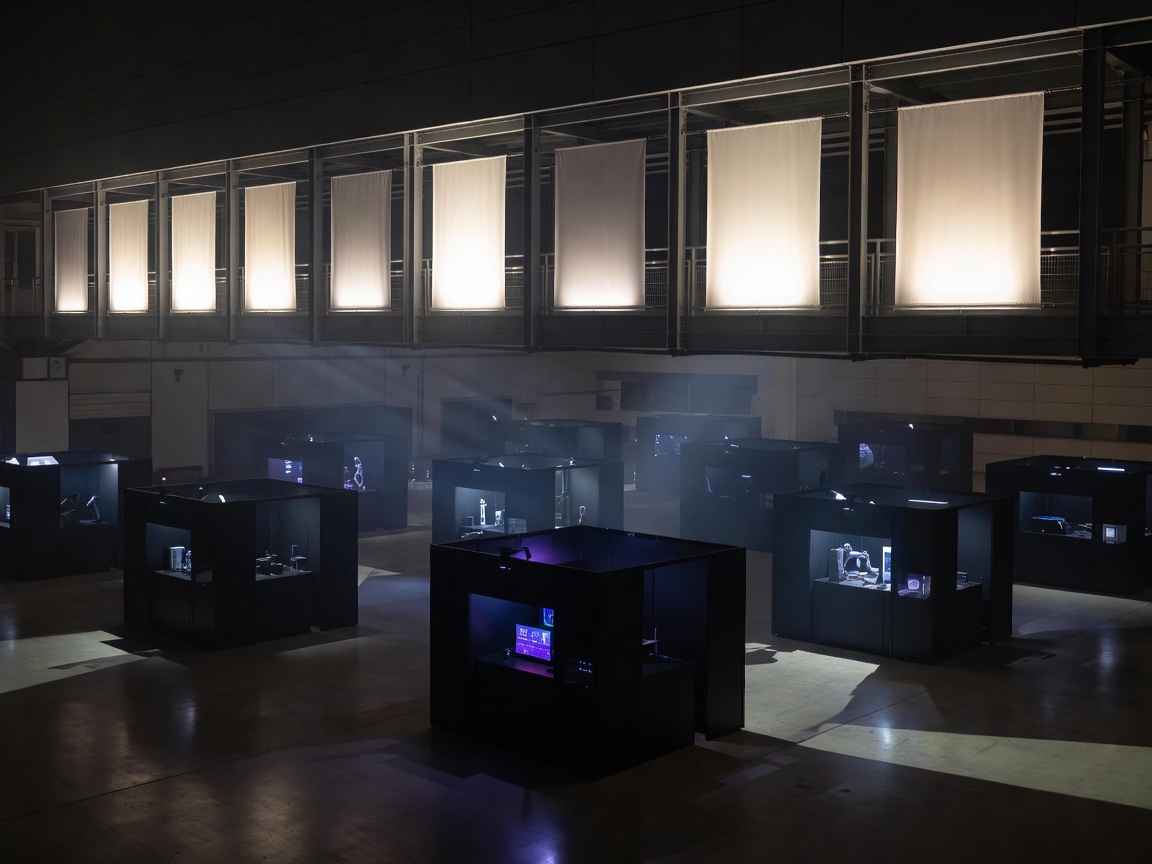
Makuhari Messe does not pack every booth under a single continuous roof. Instead, Halls 1 through 8 form a long main rectangle housing major Japanese publishers, console hardware showcases, and towering stage rigs, while Halls 9 through 11 sit across a multi-lane road via an elevated pedestrian bridge. That second block typically contains the Indie Game Area, gaming furniture and peripheral makers, merchandise zones, and designated cosplay gathering spaces.
Because public entry lines on Saturday and Sunday are routed into holding areas outside Halls 1–8 or behind Halls 9–11 depending on ticket class and arrival time, walking from one end of the campus to the other takes longer than the map suggests. Moving from Hall 1 (where several flagship publishers anchor) over the bridge into Hall 10 takes at least 12 to 15 minutes during afternoon surges.
Thursday and Friday serve as Business Days dedicated to industry badge holders, media, and trade meetings. While public visitors cannot enter on Business Days without eligible trade accreditation, understanding the split explains why floor setups look streamlined by Saturday morning: exhibitors have already spent two full days stress-testing demo units and stage acoustics.
Seiriken Timed Demo Passes and Morning Holding Pens
At North American and European conventions, visitors mostly join a physical snake queue whenever a gap opens. At Tokyo Game Show, flagship booths frequently combine physical queues with seiriken—numbered entry vouchers or QR-based timed slots handed out right after doors open.
Once a booth issues its morning allotment of timed slots for a marquee action or RPG build, staff seal the physical waiting line entirely for hours. Attempting to reach a popular publisher without checking whether it uses timed vouchers often leaves visitors arriving at 10:45 to find all afternoon hands-on slots already claimed.
For international travelers who do not land at the front of the morning pen, two productive strategies work well: head straight to Halls 9–11 for the Selected Indie 80 area where play sessions run continuously without voucher locks, or focus on mid-sized partner booths inside Halls 3–6 where 20- to 40-minute queues remain steady.
Outdoor Morning Weather Prep
September weather in Chiba often combines lingering late-summer humidity with sudden coastal rain squalls. Morning holding lines wrap along uncovered asphalt walkways beside Makuhari Messe before doors open. Pack a compact folding umbrella, breathable layers, and an external battery pack, because standing outdoors in 80% humidity drains energy before the hall floor even opens.
Keiyo Line Commutes, Cloakrooms, and Acoustic Discipline
Most visitors reach Makuhari Messe on the JR Keiyo Line from Tokyo Station to Kaihimmakuhari Station. Note that the Keiyo Line platform inside Tokyo Station sits deep underground—roughly a 10- to 15-minute walk through moving walkways from the Yamanote or Shinkansen platforms. Factor that internal transfer into morning transit times so you do not miss your planned express train.
Once inside the halls, aisle etiquette is noticeably structured. Staff enforce "walk, do not stop" lanes directly in front of main stage presentations, directing spectators into marked viewing boxes rather than letting crowds spill across fire lanes. Cosplay participants follow strict changing rules: costumes and props are carried in bags on trains and assembled inside Makuhari's dedicated paid cloakroom halls, never on commuter carriages.
Refuse bins are sparse inside public corridors compared with Western arenas, so carrying a small plastic pouch for wrappers until you reach central waste stations keeps pockets clean. Convenience stores inside the Plena Makuhari and Kaihimmakuhari station plaza sell out of cold tea and rice balls quickly between 08:30 and 10:00; buying morning provisions one or two stops earlier at Shin-Kiba or Nishi-Funabashi avoids 20-minute checkout lines.
Taipei Game Show and G-Star Busan Alongside Tokyo
| Convention | Venue & District | Distinctive Format | Visitor Notes |
|---|---|---|---|
| Tokyo Game Show (Chiba) | Makuhari Messe Halls 1–11 | Strict Business/Public split; timed demo tickets | Expect 15-minute transfers across the Halls 8–9 bridge; check Keiyo Line express stops |
| Taipei Game Show (Taipei) | Taipei Nangang Exhibition Center (TaiNEX) | Strong indie pavilion paired with tabletop wonderland zone | Direct Taipei Metro Blue/Brown Line access under the hall; easier indoor climate control |
| G-Star (Busan) | BEXCO Exhibition Centers 1 & 2 | PC, mobile, and online RPG showcase focus | Busan Metro Line 2 (Centum City) access; heavy weekend youth turnout |
As with European and North American shows, official 2027 dates, ticket release windows, and overseas visitor registration portals are announced by CESA, Taipei Computer Association, and K-GAMES directly. For practical planning on footwear and queue limits, continue to Tabletop & Queue Pacing or compare the PAX North America circuit.